Profit Precision: How Data Transforms Livestock Margins
Hundreds of small decisions shape profitability in livestock farming, each affecting cost, performance, and long-term return. Yet many of these decisions are made without complete or accurate data, leaving profit on the table even in well-run operations.
Input prices continue to rise, market volatility adds pressure, and sustainability demands introduce new expectations. In this environment, farmers can no longer rely on intuition alone. Real profitability comes from precision, using data to guide decisions, reduce waste, and optimise resources.
Kraal’s Livestock Management Platform gives farmers the tools to uncover hidden inefficiencies, measure performance clearly, and act on real insight rather than assumptions. With this level of visibility, profitability becomes predictable, measurable, and scalable.
Why Profit Leaks Happen on Livestock Farms
Even strong operations experience silent profit losses due to:
- Unnoticed decreases in weight gain
- Poorly performing or low-efficiency animals
- Delayed breeding that pushes out calving intervals
- Feeding strategies that do not match animal performance
- Underutilised pastures or overgrazed zones
- Treatment inconsistencies leading to avoidable health costs
- Time spent reconciling incomplete or duplicate records
These issues rarely appear back-to-back. Instead, they accumulate subtly, shaving margins down over time. Without structured data, they remain invisible.
How Kraal Unlocks Profit Precision on Every Farm
Kraal consolidates livestock, pasture, and operational data into one analytics-driven platform. This unified system makes it easy to recognise inefficiencies early and uncover the factors that strengthen profitability.
(Link “Analytics Engine” or “Livestock Management Platform” to Technology or Features page.)
Here’s how the platform increases financial clarity and output:
- Clear Performance Insights for Smarter Resource Allocation
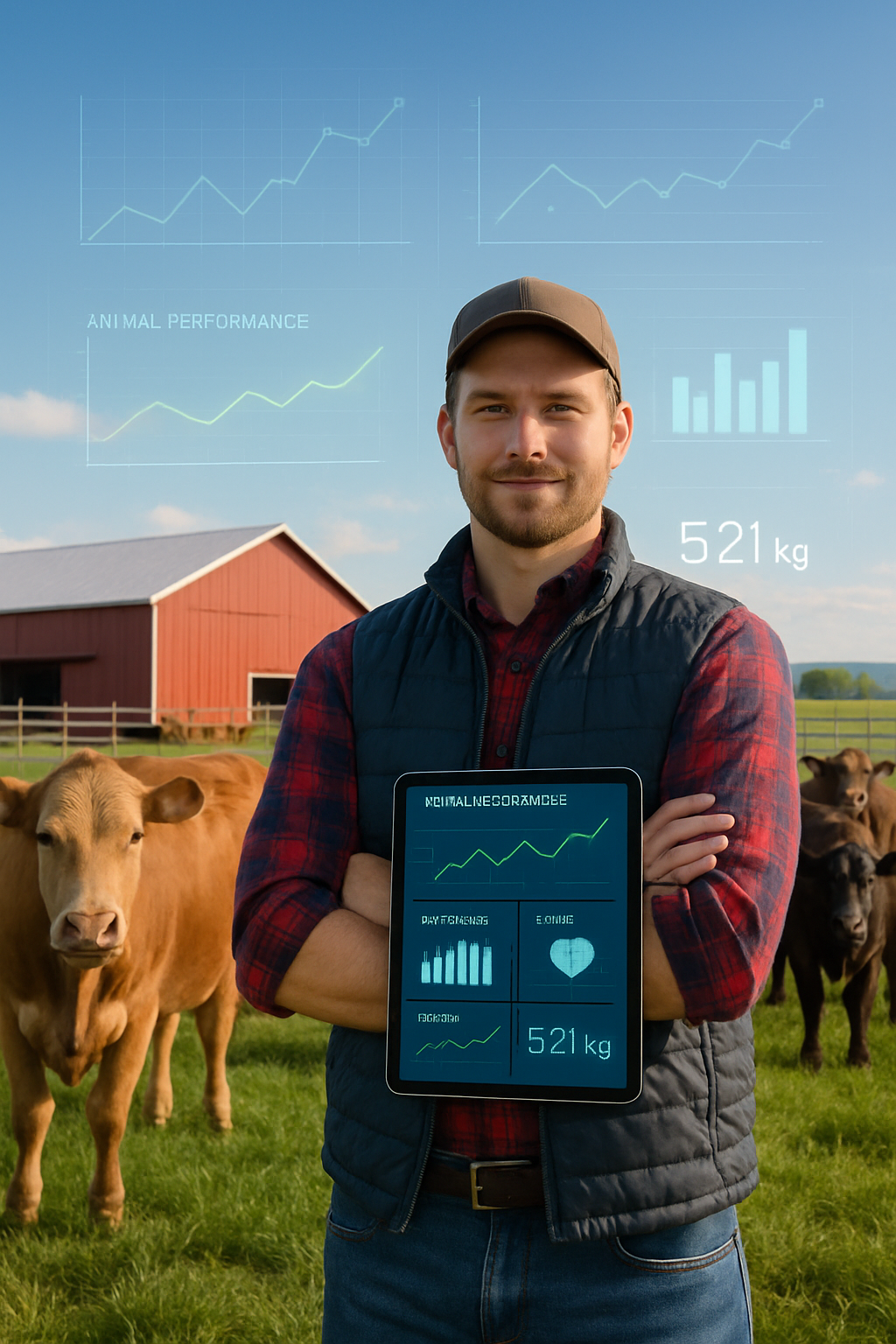
Kraal’s analytics dashboard highlights:
- Top performers
- Underperformers
- Growth curves
- Feed conversion trends
- Seasonal performance shifts
By understanding which animals deliver the highest return, farmers can refine breeding programs, adjust feed budgets, and make informed culling decisions.
- Reduced Waste Through Data-Led Feeding and Grazing
Feed is one of the largest expenses in livestock farming. Kraal tracks how animals utilise pastures and convert feed into performance, helping farmers:
- Optimise feeding strategies
- Balance stocking pressure
- Reduce feed wastage
- Improve grazing rotations
Better land and feed management directly support stronger margins.
- Improved Reproductive Efficiency
Reproductive delays cost money. With Kraal’s precise breeding records and reminders, farmers can:
- Optimise calving intervals
- Improve conception rates
- Identify fertility issues early
- Strengthen genetic consistency
More predictable reproduction equals more predictable profit.
- Lower Health Costs Through Early Intervention
By providing complete treatment histories and trend visibility, Kraal helps identify emerging health issues before they escalate into costly problems.
This reduces:
- Veterinary expenses
- Mortality risk
- Productivity loss
- Downtime associated with illness
Healthy animals are profitable animals, and consistent health data keeps them that way.
- Faster, More Accurate Reporting for Better Financial Decisions
Automated reports save hours of admin time and equip farmers with:
- Relevant compliance data
- Treatment cost breakdowns
- Group performance reports
- Pasture utilisation comparisons
These insights support clearer financial planning and strategic investment decisions.
Data Turns Profitability Into a Measurable Strategy
With Kraal, farmers aren’t guessing where margins come from or where losses occur, they know. This clarity strengthens every aspect of farm management, creating a system where:
- Costs are controlled
- Performance is measurable
- Strategies are data-backed
- Output becomes consistent
- Profit margins grow predictably
Profit precision isn’t about cutting corners, it’s about understanding exactly what drives return on investment and using that information to make smarter choices.